Buy pierreblommaert.be ?
We are moving the project
pierreblommaert.be .
Are you interested in purchasing the domain
pierreblommaert.be ?
domain@kv-gmbh.de · 0541-91531010
Buy pierreblommaert.be ?
What is the Himalayas?
The Himalayas is a vast mountain range in Asia, separating the plains of the Indian subcontinent from the Tibetan Plateau. It is home to some of the world's highest peaks, including Mount Everest, and spans five countries: India, Nepal, Bhutan, China, and Pakistan. The Himalayas are also known for their rich biodiversity, with a wide variety of flora and fauna found in the region. Additionally, the range has significant cultural and spiritual importance, with many sacred sites and pilgrimage routes located within its peaks and valleys. **
Where is the Himalayas located?
The Himalayas are located in Asia, spanning across five countries: India, Nepal, Bhutan, China, and Pakistan. This mountain range stretches over 1,500 miles from east to west, and its highest peak, Mount Everest, is situated in Nepal. The Himalayas are known for their majestic beauty and are a popular destination for trekkers, climbers, and nature enthusiasts. **


Similar search terms for Himalayas
Top-Angebote
Products related to Himalayas:
-
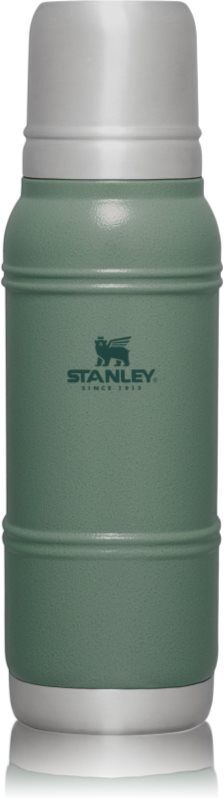
Stanley Artisan Thermal Bottle thermos Hammertone Green 1 pcsStanley Artisan Thermal Bottle, 1 pcs, Shakers et bouteilles d'eau mixte, Bien s’hydrater est important pour garantir le bon fonctionnement de l’organisme. La bouteille d’eau Stanley Artisan Thermal Bottle vous permet d’avoir toujours votre boisson préférée à portée de main, que vous soyez au travail, étudiez ou fassiez du sport. Évitez de vous déshydrater et n’oubliez plus de boire pendant la journée. Le produit : convient aux boissons froides et chaudes design simple et élégant bouchon totalement étanche empêchant les fuites peut être passé au lave-vaisselle Composition du produit : acier inoxydable93,30 €*Shipping: 3,45 €Secure redirect to the provider


-
How old is the Himalayas?
The Himalayas are estimated to be around 50 million years old. The mountain range was formed as a result of the collision between the Indian and Eurasian tectonic plates. Over millions of years, the Himalayas have continued to grow and change due to the ongoing movement of these plates. The Himalayas are considered relatively young compared to other mountain ranges on Earth. **
-
How high are the Himalayas?
The Himalayas are the highest mountain range in the world, with the highest peak being Mount Everest at 29,032 feet (8,849 meters) above sea level. The range spans across five countries - India, Nepal, Bhutan, China, and Pakistan - and includes over 100 mountains that are over 23,600 feet (7,200 meters) high. The average elevation of the Himalayas is around 16,000 feet (4,900 meters) above sea level, making it one of the most formidable and majestic mountain ranges on Earth. **
-
How was the Himalayas formed?
The Himalayas were formed through the collision of the Indian Plate and the Eurasian Plate. Around 50 million years ago, the Indian Plate began moving northward and eventually collided with the Eurasian Plate. This collision caused the Earth's crust to crumple and fold, resulting in the formation of the Himalayan mountain range. The ongoing tectonic activity in the region continues to push the Himalayas higher, making them one of the youngest and tallest mountain ranges in the world. **
-
Why are there no volcanoes in the Himalayas?
The Himalayas are formed by the collision of the Indian and Eurasian tectonic plates, which has resulted in the uplift of the region. This collision has caused the crust to thicken and push upwards, creating the towering mountain range. However, the process of subduction, which is responsible for the formation of volcanoes, is not occurring in the Himalayas. Instead, the collision has led to the formation of fold mountains, where the crust is pushed together and uplifted, but not melted and erupted as in the case of volcanic mountains. Therefore, the absence of subduction and the type of tectonic activity in the Himalayas are the reasons why there are no volcanoes in the region. **


Why is there no active volcanism in the Himalayas?
The Himalayas are formed by the collision of the Indian and Eurasian tectonic plates, which has resulted in the uplift of the region. This collision has caused the crust to thicken and compress, making it difficult for magma to rise to the surface and form volcanoes. Additionally, the Indian plate is currently moving northward and underthrusting beneath the Eurasian plate, which further inhibits volcanic activity in the region. As a result, the Himalayas do not have active volcanism. **
What is the climate like in the Bhutan Himalayas?
The climate in the Bhutan Himalayas varies depending on the altitude. In the lower regions, the climate is subtropical with hot and humid summers and mild winters. As you move higher up, the climate becomes cooler and more temperate, with a mix of temperate and alpine forests. At the highest elevations, the climate is alpine and can be very cold, with snow and freezing temperatures. Overall, the climate in the Bhutan Himalayas is diverse and can change dramatically with elevation. **
Top-Angebote
Products related to Himalayas:
-
Angry Beards Minimalist Grooming Set ensemble barbeAngry Beards Minimalist Grooming Set, 1 pcs, Kits barbe Qui dit occasions spéciales, dit cadeaux spéciaux, que ce soit pour se faire plaisir ou pour gâter ceux que l’on aime. Le coffret cadeau Angry Beards Minimalist Grooming Set contient un assortiment de parfums et de produits de beauté soigneusement sélectionnés et choisis avec amour. Que vous les découvriez tous en même temps ou que vous preniez le temps de les ouvrir, ces produits (vous) plairont à coup sûr. L'ensemble contient: Angry Beards Beard Hydro lotion tonique barbe 100 ml Angry Beards Jack Saloon Beard Shampoo shampoing pour barbe pour homme 150 ml Angry Beards peigne à barbe 1 pcs Le produit : possibilité de créer une routine quotidienne27,45 €*Shipping: 3,45 €Secure redirect to the provider
-
Collier-Laisse Elegant Taboom 1mFaites glisser doucement la chaîne du Collier-Laisse Elegant Taboom 1m entre vos doigts. Sensuel, non ? Ce bijou d’obéissance signé Taboom allie charme et contrôle. Il attire le regard, puis retient l’attention, tout simplement.Élégance et maîtrise 💫Le collier en simili mesure 3 cm de largeur et34,99 €*Shipping: 0,00 €Secure redirect to the provider
-
What is the Himalayas?
The Himalayas is a vast mountain range in Asia, separating the plains of the Indian subcontinent from the Tibetan Plateau. It is home to some of the world's highest peaks, including Mount Everest, and spans five countries: India, Nepal, Bhutan, China, and Pakistan. The Himalayas are also known for their rich biodiversity, with a wide variety of flora and fauna found in the region. Additionally, the range has significant cultural and spiritual importance, with many sacred sites and pilgrimage routes located within its peaks and valleys. **
-
Where is the Himalayas located?
The Himalayas are located in Asia, spanning across five countries: India, Nepal, Bhutan, China, and Pakistan. This mountain range stretches over 1,500 miles from east to west, and its highest peak, Mount Everest, is situated in Nepal. The Himalayas are known for their majestic beauty and are a popular destination for trekkers, climbers, and nature enthusiasts. **
-
How old is the Himalayas?
The Himalayas are estimated to be around 50 million years old. The mountain range was formed as a result of the collision between the Indian and Eurasian tectonic plates. Over millions of years, the Himalayas have continued to grow and change due to the ongoing movement of these plates. The Himalayas are considered relatively young compared to other mountain ranges on Earth. **
-
How high are the Himalayas?
The Himalayas are the highest mountain range in the world, with the highest peak being Mount Everest at 29,032 feet (8,849 meters) above sea level. The range spans across five countries - India, Nepal, Bhutan, China, and Pakistan - and includes over 100 mountains that are over 23,600 feet (7,200 meters) high. The average elevation of the Himalayas is around 16,000 feet (4,900 meters) above sea level, making it one of the most formidable and majestic mountain ranges on Earth. **
Similar search terms for Himalayas
-
Stanley Artisan Thermal Bottle thermos Hammertone Green 1 pcsStanley Artisan Thermal Bottle, 1 pcs, Shakers et bouteilles d'eau mixte, Bien s’hydrater est important pour garantir le bon fonctionnement de l’organisme. La bouteille d’eau Stanley Artisan Thermal Bottle vous permet d’avoir toujours votre boisson préférée à portée de main, que vous soyez au travail, étudiez ou fassiez du sport. Évitez de vous déshydrater et n’oubliez plus de boire pendant la journée. Le produit : convient aux boissons froides et chaudes design simple et élégant bouchon totalement étanche empêchant les fuites peut être passé au lave-vaisselle Composition du produit : acier inoxydable93,30 €*Shipping: 3,45 €Secure redirect to the provider
-
Unique e Luxury Discovery Set ensemble mixteUnique'e Luxury Discovery Set, 14x2 ml, Coffret unisexe mixte, Pourquoi se limiter à un seul parfum quand le choix est si vaste ? Le coffret de parfums unisexe Unique'e Luxury Discovery Set vous propose de découvrir de multiples créations. Composé de plusieurs miniatures, ce coffret vous permet de varier votre sillage selon votre humeur ou l’occasion. Laissez-vous donc séduire par la diversité de ce coffret. Lequel choisirez-vous pour commencer ? Le produit : mixte : tant pour les femmes que pour les hommes idéal pour découvrir de nouveaux parfums en spray L'ensemble contient: Unique'e Luxury Akdeniz extrait de parfum 2 ml Unique'e Luxury Kutay extrait de parfum 2 ml Unique'e Luxury Ocean The Rive extrait de parfum 2 ml Unique'e Luxury Chocolate Makes me Happy extrait de parfum 2 ml Unique'e Luxury Zen'gi Eau de Parfum 2 ml Unique'e Luxury Mangonifiscent extrait de parfum 2 ml Unique'e Luxury Beverly Hills Exclusive extrait de parfum 2 ml Unique'e Luxury Istanbul extrait de parfum 2 ml Unique'e Luxury Crush On Me extrait de parfum 2 ml Unique'e Luxury Aphrodisiac Touch extrait de parfum 2 ml Unique'e Luxury SoScentific extrait de parfum 2 ml Unique'e Luxury Mashumaro extrait de parfum 2 ml Unique'e Luxury Izmir extrait de parfum 2 ml Unique'e Luxury Woud & Mood Absolute extrait de parfum 2 ml123,00 €*Shipping: 3,45 €Secure redirect to the provider
-
How was the Himalayas formed?
The Himalayas were formed through the collision of the Indian Plate and the Eurasian Plate. Around 50 million years ago, the Indian Plate began moving northward and eventually collided with the Eurasian Plate. This collision caused the Earth's crust to crumple and fold, resulting in the formation of the Himalayan mountain range. The ongoing tectonic activity in the region continues to push the Himalayas higher, making them one of the youngest and tallest mountain ranges in the world. **
-
Why are there no volcanoes in the Himalayas?
The Himalayas are formed by the collision of the Indian and Eurasian tectonic plates, which has resulted in the uplift of the region. This collision has caused the crust to thicken and push upwards, creating the towering mountain range. However, the process of subduction, which is responsible for the formation of volcanoes, is not occurring in the Himalayas. Instead, the collision has led to the formation of fold mountains, where the crust is pushed together and uplifted, but not melted and erupted as in the case of volcanic mountains. Therefore, the absence of subduction and the type of tectonic activity in the Himalayas are the reasons why there are no volcanoes in the region. **
-
Why is there no active volcanism in the Himalayas?
The Himalayas are formed by the collision of the Indian and Eurasian tectonic plates, which has resulted in the uplift of the region. This collision has caused the crust to thicken and compress, making it difficult for magma to rise to the surface and form volcanoes. Additionally, the Indian plate is currently moving northward and underthrusting beneath the Eurasian plate, which further inhibits volcanic activity in the region. As a result, the Himalayas do not have active volcanism. **
-
What is the climate like in the Bhutan Himalayas?
The climate in the Bhutan Himalayas varies depending on the altitude. In the lower regions, the climate is subtropical with hot and humid summers and mild winters. As you move higher up, the climate becomes cooler and more temperate, with a mix of temperate and alpine forests. At the highest elevations, the climate is alpine and can be very cold, with snow and freezing temperatures. Overall, the climate in the Bhutan Himalayas is diverse and can change dramatically with elevation. **
* All prices are inclusive of VAT and, if applicable, plus shipping costs. The offer information is based on the details provided by the respective shop and is updated through automated processes. Real-time updates do not occur, so deviations can occur in individual cases. ** Note: Parts of this content were created by AI.