Buy pierreblommaert.be ?
We are moving the project
pierreblommaert.be .
Are you interested in purchasing the domain
pierreblommaert.be ?
domain@kv-gmbh.de · 0541-91531010
Buy pierreblommaert.be ?
How do you transform an object clause or a subject clause into a dependent clause (subordinate clause)?
To transform an object clause or a subject clause into a dependent clause, you can add a subordinating conjunction at the beginning of the clause. For example, changing "I know that he is coming" (object clause) to "I know when he is coming" (dependent clause). Another way is to remove the subject or object pronoun and change the verb form to make it dependent on the main clause. For instance, changing "She believes she can win" (subject clause) to "She believes she can win" (dependent clause). **
Is an infinitive clause a subordinate clause?
Yes, an infinitive clause is a type of subordinate clause. It functions as a single unit within a sentence and is dependent on the main clause for its meaning. Infinitive clauses typically begin with the word "to" followed by a verb, and they can serve various purposes such as expressing purpose, result, or obligation. **

Similar search terms for Clause
Top-Angebote
Products related to Clause:
-
Stanley Artisan Thermal Bottle thermos Hammertone Green 1 pcsStanley Artisan Thermal Bottle, 1 pcs, Shakers et bouteilles d'eau mixte, Bien s’hydrater est important pour garantir le bon fonctionnement de l’organisme. La bouteille d’eau Stanley Artisan Thermal Bottle vous permet d’avoir toujours votre boisson préférée à portée de main, que vous soyez au travail, étudiez ou fassiez du sport. Évitez de vous déshydrater et n’oubliez plus de boire pendant la journée. Le produit : convient aux boissons froides et chaudes design simple et élégant bouchon totalement étanche empêchant les fuites peut être passé au lave-vaisselle Composition du produit : acier inoxydable103,70 €*Shipping: 3,45 €Secure redirect to the provider


-
What are main clause-subordinate clause constructions?
Main clause-subordinate clause constructions are sentences that consist of a main clause and one or more subordinate clauses. The main clause is a complete sentence that can stand alone, while the subordinate clause depends on the main clause for its meaning and cannot stand alone. Subordinate clauses often begin with subordinating conjunctions such as "because," "although," "if," or "when," and they provide additional information or context to the main clause. These constructions allow for more complex and nuanced sentence structures, and they are commonly used in both spoken and written language. **
-
Can an adverbial clause also be a subject clause or an object clause?
No, an adverbial clause cannot be a subject clause or an object clause. An adverbial clause functions as an adverb to modify a verb, adjective, or adverb in a sentence. Subject clauses and object clauses, on the other hand, serve as the subject or object of the main clause, respectively. Each type of clause has a specific grammatical function within a sentence. **
-
Is the main clause and subordinate clause correct?
To determine if the main clause and subordinate clause are correct, you need to ensure that they are grammatically sound and that they make sense when combined. The main clause should be able to stand alone as a complete sentence, while the subordinate clause provides additional information but cannot stand alone. Checking for subject-verb agreement and proper punctuation between the two clauses can help confirm their correctness. **
-
How do I recognize a relative clause, a conjunctional clause, and an interrogative clause?
A relative clause typically starts with a relative pronoun (such as who, whom, whose, which, or that) and provides more information about a noun in the main clause. A conjunctional clause, on the other hand, is introduced by a conjunction (such as and, but, or because) and connects two independent clauses. An interrogative clause is a type of clause that asks a question and is typically introduced by an interrogative pronoun (such as who, what, when, where, why, or how) or an interrogative adverb (such as how, when, or where). **


How can I recognize a relative clause, a conjunctional clause, and an interrogative clause?
A relative clause is a type of dependent clause that typically starts with a relative pronoun (such as who, whom, whose, which, or that) and provides additional information about a noun in the main clause. A conjunctional clause, on the other hand, is a dependent clause that functions as an adverb, adjective, or noun in a sentence and is connected to the main clause by a conjunction (such as because, although, if, when, etc.). An interrogative clause is a type of clause that asks a question and typically begins with a question word (such as who, what, where, when, why, or how) or with a helping verb followed by the subject. **
Is the accompanying clause in direct speech a main clause or a subordinate clause?
The accompanying clause in direct speech can be either a main clause or a subordinate clause, depending on its role in the sentence. If the clause is expressing a complete thought and can stand alone as a sentence, then it is a main clause. However, if the clause is dependent on the rest of the sentence for its meaning and cannot stand alone, then it is a subordinate clause. It's important to consider the context and structure of the sentence to determine the role of the accompanying clause in direct speech. **
Top-Angebote
Products related to Clause:
-
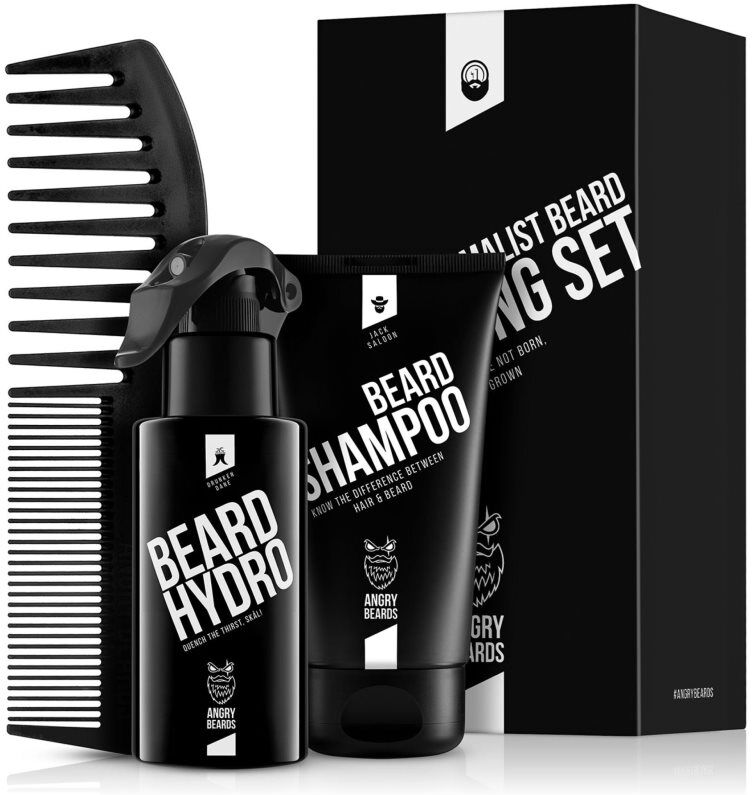
Angry Beards Minimalist Grooming Set ensemble barbeAngry Beards Minimalist Grooming Set, 1 pcs, Kits barbe Qui dit occasions spéciales, dit cadeaux spéciaux, que ce soit pour se faire plaisir ou pour gâter ceux que l’on aime. Le coffret cadeau Angry Beards Minimalist Grooming Set contient un assortiment de parfums et de produits de beauté soigneusement sélectionnés et choisis avec amour. Que vous les découvriez tous en même temps ou que vous preniez le temps de les ouvrir, ces produits (vous) plairont à coup sûr. L'ensemble contient: Angry Beards Beard Hydro lotion tonique barbe 100 ml Angry Beards Jack Saloon Beard Shampoo shampoing pour barbe pour homme 150 ml Angry Beards peigne à barbe 1 pcs Le produit : possibilité de créer une routine quotidienne27,45 €*Shipping: 3,45 €Secure redirect to the provider
-
Collier-Laisse Elegant Taboom 1mFaites glisser doucement la chaîne du Collier-Laisse Elegant Taboom 1m entre vos doigts. Sensuel, non ? Ce bijou d’obéissance signé Taboom allie charme et contrôle. Il attire le regard, puis retient l’attention, tout simplement.Élégance et maîtrise 💫Le collier en simili mesure 3 cm de largeur et34,99 €*Shipping: 0,00 €Secure redirect to the provider
-
How do you transform an object clause or a subject clause into a dependent clause (subordinate clause)?
To transform an object clause or a subject clause into a dependent clause, you can add a subordinating conjunction at the beginning of the clause. For example, changing "I know that he is coming" (object clause) to "I know when he is coming" (dependent clause). Another way is to remove the subject or object pronoun and change the verb form to make it dependent on the main clause. For instance, changing "She believes she can win" (subject clause) to "She believes she can win" (dependent clause). **
-
Is an infinitive clause a subordinate clause?
Yes, an infinitive clause is a type of subordinate clause. It functions as a single unit within a sentence and is dependent on the main clause for its meaning. Infinitive clauses typically begin with the word "to" followed by a verb, and they can serve various purposes such as expressing purpose, result, or obligation. **
-
What are main clause-subordinate clause constructions?
Main clause-subordinate clause constructions are sentences that consist of a main clause and one or more subordinate clauses. The main clause is a complete sentence that can stand alone, while the subordinate clause depends on the main clause for its meaning and cannot stand alone. Subordinate clauses often begin with subordinating conjunctions such as "because," "although," "if," or "when," and they provide additional information or context to the main clause. These constructions allow for more complex and nuanced sentence structures, and they are commonly used in both spoken and written language. **
-
Can an adverbial clause also be a subject clause or an object clause?
No, an adverbial clause cannot be a subject clause or an object clause. An adverbial clause functions as an adverb to modify a verb, adjective, or adverb in a sentence. Subject clauses and object clauses, on the other hand, serve as the subject or object of the main clause, respectively. Each type of clause has a specific grammatical function within a sentence. **
Similar search terms for Clause
-
Stanley Artisan Thermal Bottle thermos Hammertone Green 1 pcsStanley Artisan Thermal Bottle, 1 pcs, Shakers et bouteilles d'eau mixte, Bien s’hydrater est important pour garantir le bon fonctionnement de l’organisme. La bouteille d’eau Stanley Artisan Thermal Bottle vous permet d’avoir toujours votre boisson préférée à portée de main, que vous soyez au travail, étudiez ou fassiez du sport. Évitez de vous déshydrater et n’oubliez plus de boire pendant la journée. Le produit : convient aux boissons froides et chaudes design simple et élégant bouchon totalement étanche empêchant les fuites peut être passé au lave-vaisselle Composition du produit : acier inoxydable103,70 €*Shipping: 3,45 €Secure redirect to the provider
-
vidaXL Armoire à tête de lit Artisan Chêne 140x19x103,5 cmCette tête de lit est conçue pour votre lit et constitue un complément parfait à votre chambre. Matériau de qualité supérieure : Le bois d'ingénierie est d'une qualité exceptionnelle avec une surface lisse et offre solidité, stabilité et résistance à l'humidité. Rangement supplémentaire : Cette tête de lit murale dispose de quatre compartiments sur le dessus pour organiser vos livres préférés, vos décorations et autres objets similaires. Design contemporain : Cette tête de lit bibliothèque allie style simple et fonctionnalité, ce qui en fait un meuble de chambre parfait. Avertissement : Afin d'éviter tout basculement, ce produit doit être utilisé avec le dispositif de fixation murale fourni.77,99 €*Shipping: 0,00 €Secure redirect to the provider
-
Anfar Artisan Noir extrait de parfum pour femme 100 mlAnfar Artisan Noir, 100 ml, Eaux de Parfum pour homme, Laissez-vous imprégner par un parfum qui vous mettra de bonne humeur tout au long de la journée. L’eau de parfum pour femme Anfar Artisan Noir reflète l’optimisme et le bonheur à l’état pur. parfum fruité parfum floral parfum sucré destiné aux femmes de caractère et débordantes d’énergie parfum de tous les jours33,25 €*Shipping: 3,45 €Secure redirect to the provider
-
Is the main clause and subordinate clause correct?
To determine if the main clause and subordinate clause are correct, you need to ensure that they are grammatically sound and that they make sense when combined. The main clause should be able to stand alone as a complete sentence, while the subordinate clause provides additional information but cannot stand alone. Checking for subject-verb agreement and proper punctuation between the two clauses can help confirm their correctness. **
-
How do I recognize a relative clause, a conjunctional clause, and an interrogative clause?
A relative clause typically starts with a relative pronoun (such as who, whom, whose, which, or that) and provides more information about a noun in the main clause. A conjunctional clause, on the other hand, is introduced by a conjunction (such as and, but, or because) and connects two independent clauses. An interrogative clause is a type of clause that asks a question and is typically introduced by an interrogative pronoun (such as who, what, when, where, why, or how) or an interrogative adverb (such as how, when, or where). **
-
How can I recognize a relative clause, a conjunctional clause, and an interrogative clause?
A relative clause is a type of dependent clause that typically starts with a relative pronoun (such as who, whom, whose, which, or that) and provides additional information about a noun in the main clause. A conjunctional clause, on the other hand, is a dependent clause that functions as an adverb, adjective, or noun in a sentence and is connected to the main clause by a conjunction (such as because, although, if, when, etc.). An interrogative clause is a type of clause that asks a question and typically begins with a question word (such as who, what, where, when, why, or how) or with a helping verb followed by the subject. **
-
Is the accompanying clause in direct speech a main clause or a subordinate clause?
The accompanying clause in direct speech can be either a main clause or a subordinate clause, depending on its role in the sentence. If the clause is expressing a complete thought and can stand alone as a sentence, then it is a main clause. However, if the clause is dependent on the rest of the sentence for its meaning and cannot stand alone, then it is a subordinate clause. It's important to consider the context and structure of the sentence to determine the role of the accompanying clause in direct speech. **
* All prices are inclusive of VAT and, if applicable, plus shipping costs. The offer information is based on the details provided by the respective shop and is updated through automated processes. Real-time updates do not occur, so deviations can occur in individual cases. ** Note: Parts of this content were created by AI.