Buy pierreblommaert.be ?
We are moving the project
pierreblommaert.be .
Are you interested in purchasing the domain
pierreblommaert.be ?
domain@kv-gmbh.de · 0541-91531010
Buy pierreblommaert.be ?
How is the partitive formed?
The partitive is formed in French by using the preposition "de" followed by the definite article "le," "la," or "les." This combination contracts to form "du," "de la," or "des" before a singular or plural noun, respectively. For example, "some bread" is "du pain" and "some apples" is "des pommes." The partitive is used to indicate an unspecified quantity or portion of a mass noun. **
What is the French partitive article?
The French partitive article is used to indicate an unspecified quantity of a noun that cannot be counted. It is formed by combining the preposition "de" with the definite article corresponding to the noun's gender and number. For example, "du" is used with masculine singular nouns, "de la" with feminine singular nouns, and "des" with plural nouns. The partitive article is used in French to express concepts like some, any, or a part of something. **


Similar search terms for Partitive
Top-Angebote
Products related to Partitive:
-
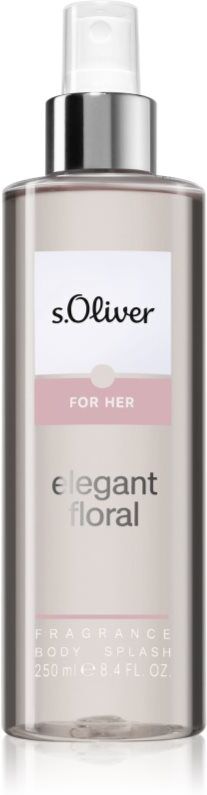
s.Oliver Elegant Floral For Her spray corporel pour femme 250 mls.Oliver Elegant Floral For Her, 250 ml, Brumes parfumées pour femme, Le spray corporel pour femme s.Oliver Elegant Floral For Her est un concentré de passion, de féminité et de caractère dans un seul flacon. Il ravira vos sens grâce à sa fragrance irrésistible et parfumera merveilleusement votre peau. parfum floral parfum ambré apprécié par les femmes à l’âme romantique parfum de tous les jours7,70 €*Shipping: 3,45 €Secure redirect to the provider
-
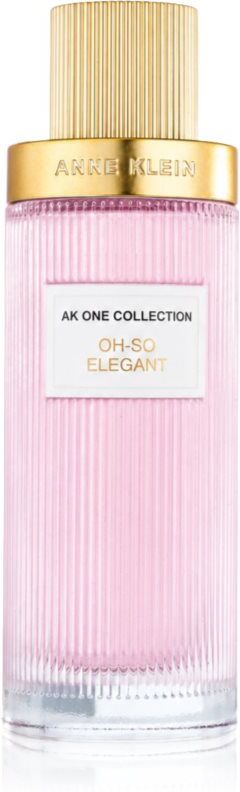
Anne Klein Oh-So Elegant Eau de Parfum pour femme 30 mlAnne Klein Oh-So Elegant, 30 ml, Eaux de Parfum pour femme, Chaque femme mérite de recevoir de magnifiques fleurs. Tel un bouquet composé des plus belles notes florales, l’eau de parfum Anne Klein Oh-So Elegant se veut être une fragrance remplie de sensualité et de féminité, agrémentée d’un soupçon de romantisme. parfum hespéridé parfum boisé parfum floral souligne la sensualité de chaque femme apprécié par les femmes à l’âme romantique parfum de tous les jours29,00 €*Shipping: 3,45 €Secure redirect to the provider



-
What are partitive articles in the French language?
Partitive articles in French are used to indicate an unspecified quantity of a noun. They are used when referring to a portion or some of a mass noun, such as food or liquid. The partitive articles in French are "du" (for masculine nouns), "de la" (for feminine nouns), and "de l'" (for nouns starting with a vowel or silent "h"). These articles are essential for expressing the concept of some or any in French. **
-
What is the rule for the partitive article?
The rule for the partitive article in French is to use "de" followed by the definite article (le, la, les) to indicate an unspecified quantity or some of a mass noun. For example, "du" is used for masculine singular nouns, "de la" for feminine singular nouns, and "des" for plural nouns. The partitive article is used when referring to an unknown or unspecified quantity of something. **
-
How do you form the genitive partitive in Latin?
In Latin, the genitive partitive is formed by using the genitive case of the noun followed by the word "partis" or "partis" (depending on the gender of the noun) to indicate a part of the whole. For example, if the noun is "puella" (girl), the genitive partitive would be "puellae partis" to indicate "part of the girl." This construction is used to express the idea of "some of" or "a part of" something. **
-
When do you use the partitive article in French?
The partitive article in French is used to indicate an unspecified quantity of a mass noun. It is used when referring to a part of a whole, or an unspecified amount of something. For example, "du" is used for masculine nouns, "de la" for feminine nouns, and "de l'" for nouns starting with a vowel or silent "h". It is important to use the partitive article when talking about food, drinks, or other uncountable nouns in French. **
What are partitive articles and quantity increases in French?
Partitive articles in French are used to indicate an unspecified quantity of a noun. They are used with uncountable nouns or when referring to a portion of something. Quantity increases in French involve using words like "plus de" (more), "beaucoup de" (a lot of), or "trop de" (too much) to indicate an increase in the quantity of something. These expressions are used to specify a larger amount of a noun compared to using just the partitive article. **
Can you please help me with the partitive article?
The partitive article is used in French to indicate an unspecified quantity of something. It is often used with uncountable nouns to express "some" or "any" in English. The partitive article changes depending on the gender and number of the noun it precedes. For example, "du" is used before masculine singular nouns, "de la" before feminine singular nouns, and "des" before plural nouns. It is important to use the correct partitive article to indicate the appropriate quantity in French. **
Top-Angebote
Products related to Partitive:
-
Angry Beards Minimalist Grooming Set ensemble barbeAngry Beards Minimalist Grooming Set, 1 pcs, Kits barbe Qui dit occasions spéciales, dit cadeaux spéciaux, que ce soit pour se faire plaisir ou pour gâter ceux que l’on aime. Le coffret cadeau Angry Beards Minimalist Grooming Set contient un assortiment de parfums et de produits de beauté soigneusement sélectionnés et choisis avec amour. Que vous les découvriez tous en même temps ou que vous preniez le temps de les ouvrir, ces produits (vous) plairont à coup sûr. L'ensemble contient: Angry Beards Beard Hydro lotion tonique barbe 100 ml Angry Beards Jack Saloon Beard Shampoo shampoing pour barbe pour homme 150 ml Angry Beards peigne à barbe 1 pcs Le produit : possibilité de créer une routine quotidienne27,45 €*Shipping: 3,45 €Secure redirect to the provider
-
Collier-Laisse Elegant Taboom 1mFaites glisser doucement la chaîne du Collier-Laisse Elegant Taboom 1m entre vos doigts. Sensuel, non ? Ce bijou d’obéissance signé Taboom allie charme et contrôle. Il attire le regard, puis retient l’attention, tout simplement.Élégance et maîtrise 💫Le collier en simili mesure 3 cm de largeur et34,99 €*Shipping: 0,00 €Secure redirect to the provider
-
How is the partitive formed?
The partitive is formed in French by using the preposition "de" followed by the definite article "le," "la," or "les." This combination contracts to form "du," "de la," or "des" before a singular or plural noun, respectively. For example, "some bread" is "du pain" and "some apples" is "des pommes." The partitive is used to indicate an unspecified quantity or portion of a mass noun. **
-
What is the French partitive article?
The French partitive article is used to indicate an unspecified quantity of a noun that cannot be counted. It is formed by combining the preposition "de" with the definite article corresponding to the noun's gender and number. For example, "du" is used with masculine singular nouns, "de la" with feminine singular nouns, and "des" with plural nouns. The partitive article is used in French to express concepts like some, any, or a part of something. **
-
What are partitive articles in the French language?
Partitive articles in French are used to indicate an unspecified quantity of a noun. They are used when referring to a portion or some of a mass noun, such as food or liquid. The partitive articles in French are "du" (for masculine nouns), "de la" (for feminine nouns), and "de l'" (for nouns starting with a vowel or silent "h"). These articles are essential for expressing the concept of some or any in French. **
-
What is the rule for the partitive article?
The rule for the partitive article in French is to use "de" followed by the definite article (le, la, les) to indicate an unspecified quantity or some of a mass noun. For example, "du" is used for masculine singular nouns, "de la" for feminine singular nouns, and "des" for plural nouns. The partitive article is used when referring to an unknown or unspecified quantity of something. **
Similar search terms for Partitive
-
s.Oliver Elegant Floral For Her spray corporel pour femme 250 mls.Oliver Elegant Floral For Her, 250 ml, Brumes parfumées pour femme, Le spray corporel pour femme s.Oliver Elegant Floral For Her est un concentré de passion, de féminité et de caractère dans un seul flacon. Il ravira vos sens grâce à sa fragrance irrésistible et parfumera merveilleusement votre peau. parfum floral parfum ambré apprécié par les femmes à l’âme romantique parfum de tous les jours7,70 €*Shipping: 3,45 €Secure redirect to the provider
-
Anne Klein Oh-So Elegant Eau de Parfum pour femme 30 mlAnne Klein Oh-So Elegant, 30 ml, Eaux de Parfum pour femme, Chaque femme mérite de recevoir de magnifiques fleurs. Tel un bouquet composé des plus belles notes florales, l’eau de parfum Anne Klein Oh-So Elegant se veut être une fragrance remplie de sensualité et de féminité, agrémentée d’un soupçon de romantisme. parfum hespéridé parfum boisé parfum floral souligne la sensualité de chaque femme apprécié par les femmes à l’âme romantique parfum de tous les jours29,00 €*Shipping: 3,45 €Secure redirect to the provider
-
Anne Klein Oh-So Elegant Eau de Parfum pour femme 100 mlAnne Klein Oh-So Elegant, 100 ml, Eaux de Parfum pour femme, Chaque femme mérite de recevoir de magnifiques fleurs. Tel un bouquet composé des plus belles notes florales, l’eau de parfum Anne Klein Oh-So Elegant se veut être une fragrance remplie de sensualité et de féminité, agrémentée d’un soupçon de romantisme. parfum hespéridé parfum boisé parfum floral souligne la sensualité de chaque femme apprécié par les femmes à l’âme romantique parfum de tous les jours49,00 €*Shipping: 3,45 €Secure redirect to the provider
-
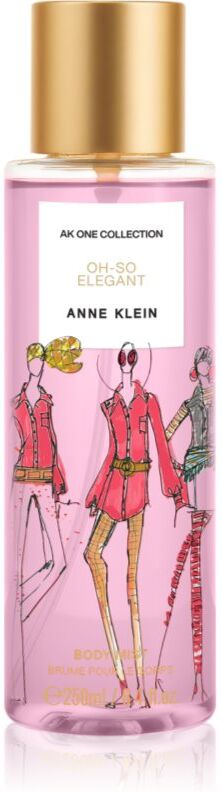
Anne Klein Oh-So Elegant spray corporel parfumé pour femme 250 mlAnne Klein Oh-So Elegant, 250 ml, Brumes parfumées pour femme, Le spray corporel pour femme Anne Klein Oh-So Elegant complète parfaitement le parfum de la collection du même nom. Vous pouvez utiliser la fragrance le matin et rafraîchir votre peau avec ce spray pour le corps à tout moment de la journée. parfum hespéridé parfum boisé parfum floral souligne la sensualité de chaque femme le choix idéal pour les femmes libres d’esprit parfum de tous les jours16,00 €*Shipping: 3,45 €Secure redirect to the provider
-
How do you form the genitive partitive in Latin?
In Latin, the genitive partitive is formed by using the genitive case of the noun followed by the word "partis" or "partis" (depending on the gender of the noun) to indicate a part of the whole. For example, if the noun is "puella" (girl), the genitive partitive would be "puellae partis" to indicate "part of the girl." This construction is used to express the idea of "some of" or "a part of" something. **
-
When do you use the partitive article in French?
The partitive article in French is used to indicate an unspecified quantity of a mass noun. It is used when referring to a part of a whole, or an unspecified amount of something. For example, "du" is used for masculine nouns, "de la" for feminine nouns, and "de l'" for nouns starting with a vowel or silent "h". It is important to use the partitive article when talking about food, drinks, or other uncountable nouns in French. **
-
What are partitive articles and quantity increases in French?
Partitive articles in French are used to indicate an unspecified quantity of a noun. They are used with uncountable nouns or when referring to a portion of something. Quantity increases in French involve using words like "plus de" (more), "beaucoup de" (a lot of), or "trop de" (too much) to indicate an increase in the quantity of something. These expressions are used to specify a larger amount of a noun compared to using just the partitive article. **
-
Can you please help me with the partitive article?
The partitive article is used in French to indicate an unspecified quantity of something. It is often used with uncountable nouns to express "some" or "any" in English. The partitive article changes depending on the gender and number of the noun it precedes. For example, "du" is used before masculine singular nouns, "de la" before feminine singular nouns, and "des" before plural nouns. It is important to use the correct partitive article to indicate the appropriate quantity in French. **
* All prices are inclusive of VAT and, if applicable, plus shipping costs. The offer information is based on the details provided by the respective shop and is updated through automated processes. Real-time updates do not occur, so deviations can occur in individual cases. ** Note: Parts of this content were created by AI.